
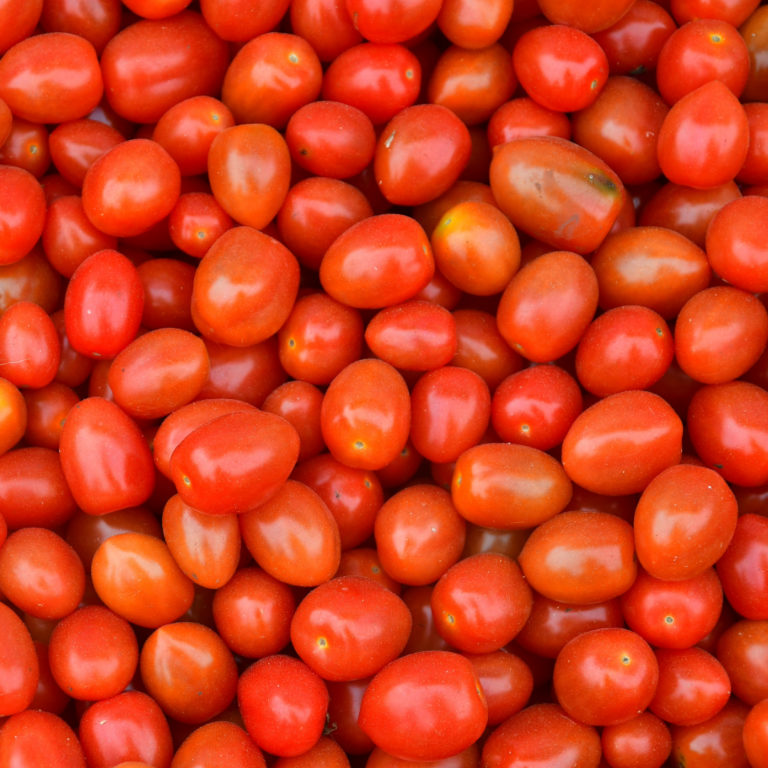
Pop quiz: Fact or fiction – Which one is true about tomatoes?
A) The first tomatoes were small and purple
B) Cooked tomatoes contain less lycopene (antioxidant) than raw ones
C) Tomatoes contain less water than watermelons
D) Tomatoes were once believed to be poisonous
Answer: Tomatoes were once believed to be poisonous
It may sound made up, but it’s true!
When tomatoes first made their way to Europe from the Americas, people were suspicious of them. Tomatoes belong to the nightshade family, a group of plants that includes some poisonous species. Because of this connection, some Europeans believed tomatoes were dangerous to eat. They were even referred to in historical writings as “poison apples” and “wolf peaches.”
But the myth eventually faded as people discovered that tomatoes were not only safe to eat, but also delicious and incredibly versatile.
Today, with more than 10,000 varieties, tomatoes are a popular ingredient used worldwide. They show up in cuisines around the globe in everything from fresh salads and sandwiches to soups, sauces, salsas and pasta dishes – and right on meal trays!
Bursting With Antioxidants
Tomatoes offer much more than flavor and color. They’re naturally low in fat and sodium, cholesterol-free, and a good source of vitamin C and potassium. But one of their biggest nutritional stars is lycopene, a powerful antioxidant that may help reduce the risk of diseases such as heart disease and certain cancers.
You can enjoy the benefits of lycopene whether you eat tomatoes fresh, cooked, or dried. However, cooked tomatoes contain more lycopene than raw ones. This is because they become more concentrated as they lose some water in the heating process. One cup of cooked tomatoes has about 60% more micrograms of lycopene than a cup of raw tomatoes. Additionally, the heat helps break down their cell walls, which makes lycopene more accessible.
Tomatoes and tomato products like ketchup, pasta sauce, and tomato juice provide more than 80% of the lycopene in the American diet, making them an important part of food served at home and on the school tray.
Also, did you know that lycopene is what gives red tomatoes their vibrant color?
Minnesota Tomatoes Are Having Their Moment
This is their season! Late summer is prime tomato time in Minnesota. Mid-July through September is peak tomato harvest, when gardens, farms and farmers markets are filled with fresh tomatoes.
Minnesota is a major tomato-producing state, with more than 10 million pounds of tomatoes grown each year. This ranks us fourth in the country.
Some of the most common varieties grown in Minnesota include Early Girl, Big Beef and cherry tomatoes. Each brings something different to the plate – from the juicy sandwich slices of a larger tomato to the sweet, snackable bite of a cherry tomato.
For food service, tomatoes are especially useful because they can work across a wide range of menus. Fresh, cooked, diced, sliced or blended, they add flavor variety and nutrition to meals.
Fun Tomato Facts to Share with Students
- 🌈 Tomatoes aren’t always red. They can be yellow, orange, pink, purple, black and even white.
- 💛 The first tomatoes were small and mostly yellow.
- 💧 Tomatoes are about 95% water – higher than watermelon, which is 92% water
- 🌱 Tomato plants can grow up to nine feet tall.
- 💪 The heaviest tomato grown was almost 8 pounds.
- 💬 The word “tomato” comes from the Náhuatl (Aztec) word “tomatl.” This was translated to “tomate” by the Spanish.
- 🚗 Heinz tomato ketchup has a speed limit (you read that right!) of no more than 0.028mph, or about 4 centimeters per minute. Any faster than that, it’s considered too runny and rejected.
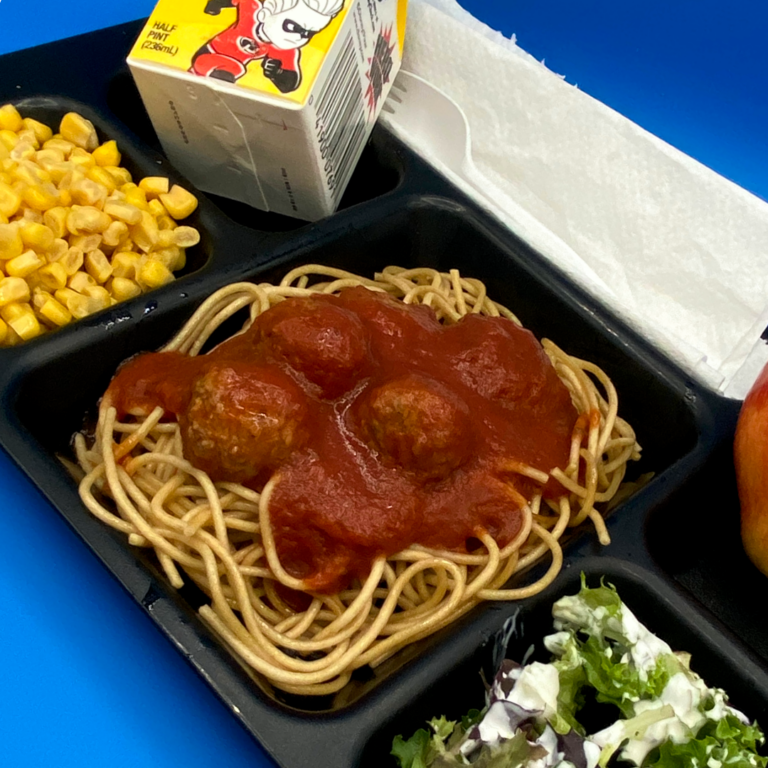 Tomatoes on the Tray
Tomatoes can take on all kinds of forms in school meals. Their versatility makes them an easy way to add color, flavor and nutrition. These are just a few ways students see tomatoes on their tray:
- 🍕 Pizza – wouldn’t be the same without tomato sauce
- 🍅 Ketchup – ours is low-sodium and uses sugar as the second ingredient, eliminating high fructose corn syrup from one of kids’ favorite condiments
- 🥗 Salads – cherry tomatoes or tomato slices add color and flavor
- 🍝 Pastas – tomato-based sauces pair well with lasagna and other pasta dishes
- ♥️ Dips – nothing like dunking a breadstick in marinara sauce
Resources:
- https://sites.google.com/farmtoearlycaremn.org/mnharvestofthemonth/foods/tomatoes?authuser=0
- https://docs.google.com/presentation/d/1hXn2IGctFH49CfN1ogZQKFg6SlA0Q3I3iaijUUU-6ws/edit?slide=id.g1bb93a02668_0_1#slide=id.g1bb93a02668_0_1
- https://docs.google.com/document/d/1lzYLVoPpZMSP4Wuu5SgGyGSiLGrgq4J8/edit
- https://www.natgeokids.com/uk/discover/science/nature/ten-top-tomato-facts/
- https://extension.usu.edu/createbetterhealth/blog/factsabouttomatoes
- https://fshn.illinois.edu/news/how-healthy-are-tomatoes
- https://www.babbel.com/en/magazine/tomato-history