
Pop quiz: What’s responsible for most of a cucumber’s flavor?
A) The peel
B) The flesh
C) The seeds
D) The stem
Answer: The Seeds
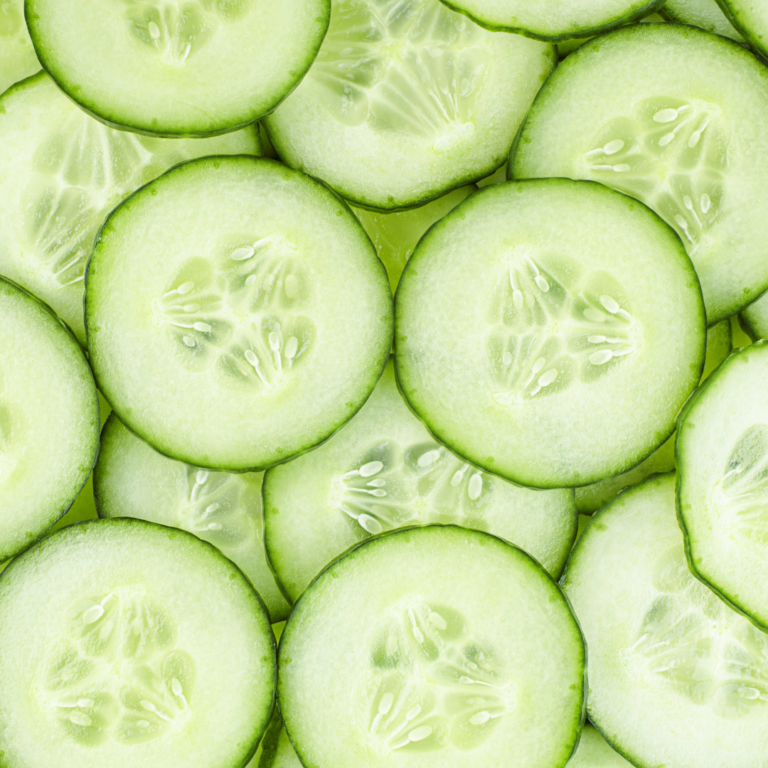
While the crisp flesh and refreshing bite get most of the attention, much of a cucumber’s flavor comes from its seeds. Surprised? Different cucumber varieties have different seed sizes. This is one reason why traditional slicing cucumbers, which have larger seeds and are great on sandwiches, taste a little different than the mini-sized Persian cucumbers, which have fewer seeds and are great for making tzatziki sauce.
Whether they’re sliced into a salad, served with dip, or transformed into crunchy pickles, cucumbers are one of the most refreshing foods on the menu.
95% Water
Cucumbers are made up of about 95% water, making them one of the most hydrating foods you can eat.
Staying hydrated is especially important for students. Drinking enough fluids helps support focus, energy, and overall well-being throughout the school day. For those who have a hard time drinking a sufficient amount of water, cucumbers offer a crunchier option and can contribute to staying on top of daily hydration.
Even though they’re mostly water, cucumbers still pack in important nutrients, including:
- Vitamin K – reduces the risk of bone fractures and helps absorb calcium, which builds and maintains strong bones
- Fiber – naturally aids digestion, in addition to water, by keeping bowel movements running smoothly
- Low in calories, carbohydrates, and sugar – helps manage weight and blood sugar
Pickles, Please!
There are two main types of cucumbers:
- Slicing cucumbers, which are most often eaten fresh in salads, sandwiches, wraps, and veggie trays.
- Pickling cucumbers, which are shorter, firmer, have a thinner skin, and are perfect for making pickles.
To become a pickle, cucumbers are preserved in a vinegar or saltwater brine. This process has been used for thousands of years to help foods last longer while creating the tangy flavor pickle lovers know and love.
The most common pickles are dill pickles, which get their signature flavor from the aromatic herb – dill weed. But they can also be flavored with other herbs and spices like allspice, bay leaves, cloves, nutmeg, fennel, cassia, mustard, basil, ginger, mustard seed, and thyme. For those who like some heat, black pepper, onions, garlic, and red pepper flakes can add an extra kick
Pickles are especially popular in Minnesota, where pickle-inspired dishes have made their way into Minnesota State Fair favorites and pickle-flavored foods have made homes in grocery store shelves. Are you trying the new pickle pie at the Fair this year?
Fun Cucumber Facts to Share with Students
- The inside of a cucumber can be up to 20°F cooler than the outside.
- Some cucumber varieties can grow up to 2 feet long.
- People have been growing cucumbers for more than 3,000 years, making them one of the world’s oldest cultivated foods.
- Minnesota farmers use greenhouse growing to extend the cucumber season beyond the main harvest, which runs from early August through early October.
- More than half of the cucumbers grown in the United States are turned into pickles.
- You can hear the crunch of a good pickle at 10 paces, but a great pickle is at 25 paces.
 Cucumbers on the Tray
Cucumbers are a colorful addition to school meals and an easy way for students to enjoy more fruits and vegetables. We serve them:
- Sliced into sandwiches or wraps
- Added to fresh salads
- Paired with a healthy dip
Resources:
- https://sites.google.com/farmtoearlycaremn.org/mnharvestofthemonth/foods/cucumbers?authuser=0
- https://docs.google.com/presentation/d/13aMIjfC9s1nLCmpdHjy89kTqy4YQJdANTEePjHT7Sss/edit?slide=id.g1bb93a02668_0_1#slide=id.g1bb93a02668_0_1
- https://docs.google.com/document/d/1ziiMruJeyfi3eGt_fQA2bUurCM9yVD8a/edit
- https://askthefoodgeek.com/cucumbers/
- https://peterbstories.com/the-pickleman-from-bickleton-copy-2/
- https://health.clevelandclinic.org/benefits-of-cucumbers