
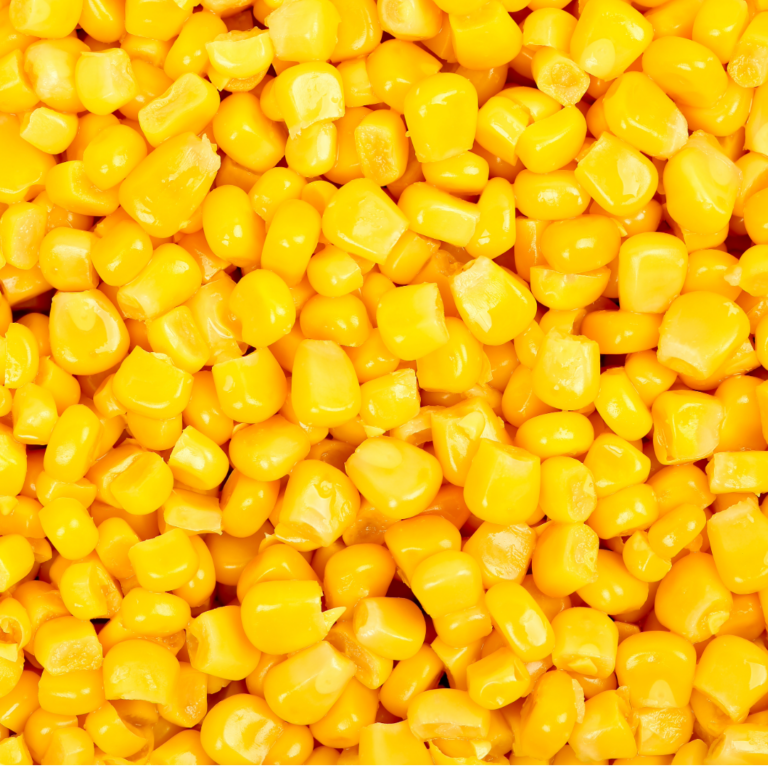
Pop quiz: What’s the secret behind sweet corn’s sweetness?
A) A genetic trait that helps it store more sugar
B) The extra sunshine gets turned into sugar
C) Bees add sweetness when they pollinate it
D) Corn silk transfers sweetness into each kernel
Answer: A genetic trait that helps it store more sugar
Sweet corn has a natural genetic trait, preserved through traditional breeding, that causes its kernels to store about twice as much sugar as field corn. That extra sugar is what gives sweet corn the flavor we know and love.
Sweet corn vs field corn
All types of corn belong to the Zea mays species. Sweet corn is a natural variety of this species along with field (dent) corn, flour corn, flint corn, and popcorn.
But the two types of corn you’re most likely to see growing here in Minnesota are sweet corn and field corn. They’re both harvested and used in very different ways.
Sweet corn is harvested while the kernels are still tender and juicy. It can be eaten fresh off the cob or frozen and canned for use throughout the year. The kernels can be mixed in salads, tacos and many other items you might find on a meal tray.
Field corn is allowed to mature and dry on the plant. Its kernels are harder and develop a distinctive dent as they dry. Most field corn is used for animal feed, ethanol, cornmeal and other processed foods.
Minnesota grows an a-maiz-ing amount of corn!
Corn was first domesticated in Mexico but now grows on every continent of the world (except Antarctica). The United States leads in production compared to any other country.
And corn is a big deal in Minnesota. In 2025, farmers harvested about 8.45 million acres of corn for grain in the state. Although sweet corn makes up a much smaller share of Minnesota’s corn acreage, with 93,600 acres harvested in 2025, the state is still a national leader.
Minnesota’s sweet corn season is generally from late summer through early fall. That’s why those fresh, sweet ears are such a familiar part of Minnesota’s food scene this time of year and perfect for incorporating on meal trays.
And because sweet corn can also be frozen or canned, its place on school menus doesn’t have to end when summer does.
A sweet AND nutritious bite
A medium ear of sweet corn has about 4 grams of natural sugar. Compared to a Red Delicious apple, it’s about a third the amount. It’s relatively low in sugar, but provides the perfect touch of sweet flavor students enjoy.
But those golden kernels bring more to the meal tray than their sweetness. Sweet corn is high in fiber, which helps support a healthy digestive system. It contains other nutrients and vitamins that help kids’ bodies function well, including calcium, folate, magnesium, potassium, and vitamins A and C.
It’s also a naturally gluten-free food, making it a great option for those with celiac disease or gluten allergies and sensitivities.
Did you know? Once sweet corn is harvested, its natural sugars begin converting to starch. Refrigerating it slows that process, helping preserve its sweetness and quality.
Fun Sweet Corn Facts to Share with Students
- Sweet corn stalks grow about 3-5 feet tall, with each stalk containing one to three ears of corn.
- The tallest sweet corn plant on record measured 35 ft 3 inches – nearly 3 floors high!
- An average ear of corn has about 800 kernels.
- Each strand of silk is connected to an individual kernel.
- An ear of corn always has an even number of rows.
- Sweet corn can be yellow, white or bicolored.
 Sweet Corn on the Tray
Sweet corn is a great ingredient that can add nostalgia, sweetness and nutrition to school meals. Depending on the menu, you might find it:
- Steamed corn: A simple but classic side
- Corn chips: A crunchy option to pair with an entree
- Street corn salad: A warm dish inspired by elote, combining corn with flavorful toppings
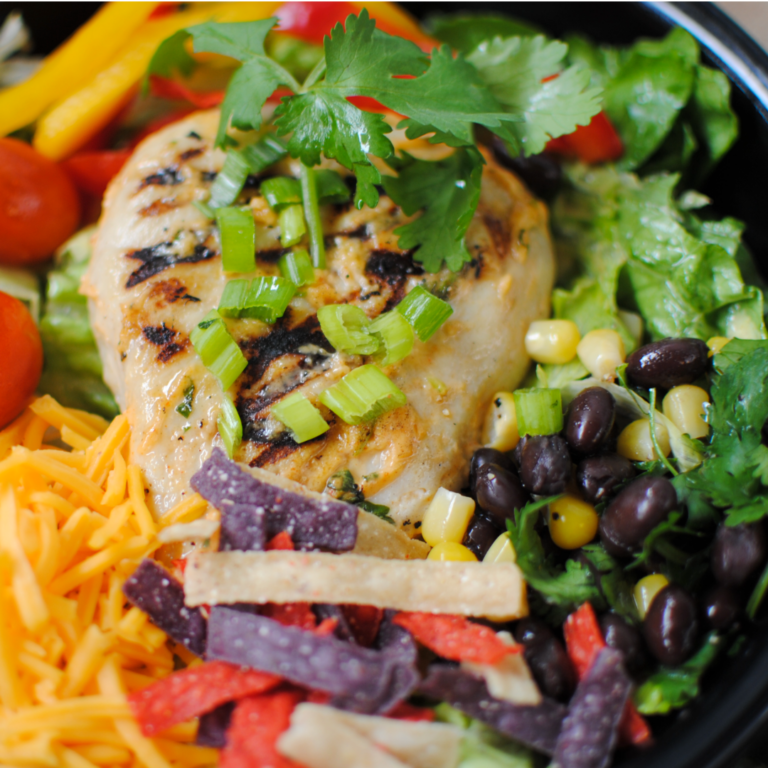
- Southwest chicken salad: A colorful salad that includes Southwest-inspired ingredients
Resources:
- https://sites.google.com/farmtoearlycaremn.org/mnharvestofthemonth/foods/sweet-corn?authuser=0
- https://docs.google.com/presentation/d/17zbZBeawYGeqkm1OwuaOQfz9ZQd4Gt_o6L4ilkDSXWg/edit?slide=id.g1bb93a02668_0_1#slide=id.g1bb93a02668_0_1
- https://static1.squarespace.com/static/60d2113c72be600fa6c4b696/t/67dc69bcf6ad746f9aa9fedc/1742498246048/Corn_activitysheet.pdf
- https://minnesota.agclassroom.org/matrix/lessons/141/
- https://www.nass.usda.gov/Quick_Stats/Ag_Overview/stateOverview.php?state=minnesota&utm_source=chatgpt.com
- https://health.clevelandclinic.org/benefits-of-corn