
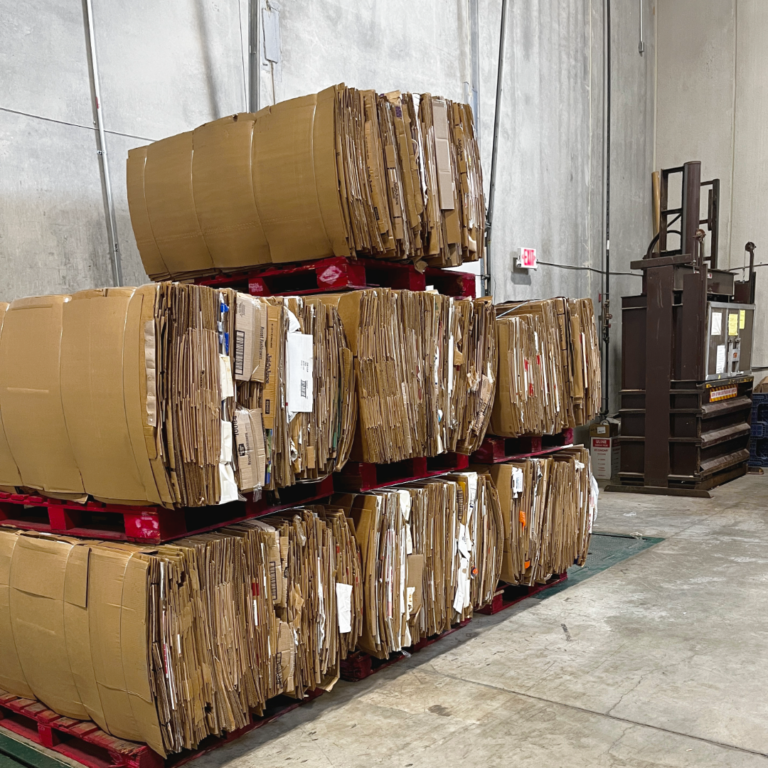
In honor of Earth Month in April and Earth Day on April 22nd, we’re highlighting the environmental sustainability practices at CKC Good Food’s central commissary. Since moving into our Eagan facility in 2020, we’ve continued to build on our efforts to reduce waste, improve efficiency and strengthen operations.
 Cardboard recycling
A high-volume operation like ours goes through a significant number of boxes every day. Everything from canned goods to bagged products arrive packaged this way. We prioritize reusing boxes whenever possible and recycle the rest. We recycle approximately 24 bales of cardboard each month, totaling around 7,200 pounds.
 Metal recycling
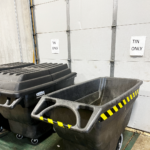
Canned goods like cans of fruits and legumes are a staple in school nutrition, and that means a consistent flow of recyclable metal. We collect and recycle approximately 3,420 pounds of metal every two months, supported by a trash compactor and metal recycling dumpster that gives us the capacity to collect all those cans.
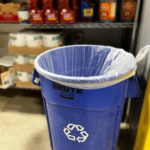 Plastics recycling
Plastic recycling is handled through our onsite blue recycling container, which is picked up once per month. This includes items like plastic jugs and containers used in our operations, ensuring these materials are diverted from general waste streams.
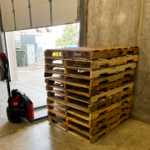 Pallet recycling
A lot of the products we receive come in wooden pallets. These also add up quickly. We make sure to reuse what we can and recycle the rest.
a
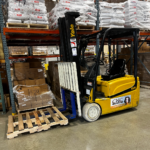 CO₂ reduction
We reduce emissions by optimizing logistics and selecting more efficient equipment. All deliveries are routed to reduce mileage. And we use battery-operated forklifts that don’t require the use of propane gas.
 Electronics recycling
Our team has developed an ongoing approach to e-waste. Once a sufficient volume of outdated electronics – such as laptops, monitors, keyboards, and printers – is collected, a pickup is scheduled to ensure proper recycling. This particularly helps keep hazardous materials out of landfills.
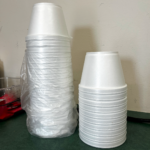 Reducing Styrofoam Use
We’ve made significant progress in limiting styrofoam across our operations. Today, its use is extremely minimal, primarily for partners who prepare and serve pho.
As we look ahead, opportunities like composting and reducing single-use plastics remain on our radar. What we’ve already seen is this: environmental sustainability efforts don’t just feel good – they work. They help us reduce unnecessary costs, operate more efficiently, and ultimately make us a stronger partner to our clients and the communities we serve.